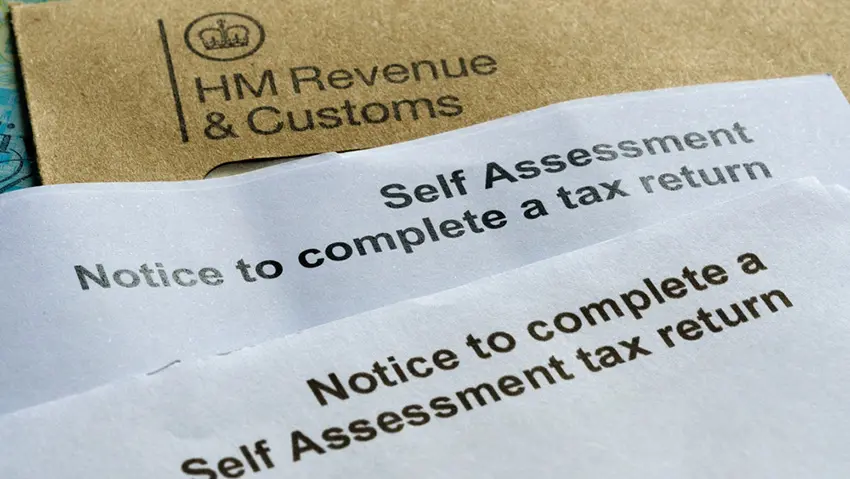
If you’re a sole trader or landlord earning more than £50,000 a year, HMRC is about to change how you report your tax — whether you feel ready or not.
From 6 April 2026, more than 864,000 people will be pulled into Making Tax Digital (MTD) for Income Tax, a system that requires you to keep digital records and send HMRC quarterly updates using approved software.
This isn’t optional. And it isn’t something you can leave until next January.
Under the new rules, you’ll need to log income and expenses digitally throughout the year and submit a short summary to HM Revenue and Customs every three months. HMRC insists these are “light-touch updates”, not extra tax returns, but they are still deadlines, admin and another thing to remember.
At the end of the tax year, you’ll still file a final return by 31 January. The difference is that HMRC will already have most of your numbers, meaning no more frantic receipt-hunting in the week after Christmas, in theory, at least.
HMRC says the system is designed to reduce errors and spread the workload across the year. In reality, it means tax admin becomes a constant background task, not a once-a-year panic.
What changes — and what doesn’t
If you’re joining MTD in April 2026, you’ll still submit your 2025–26 tax return in the usual way by 31 January 2027. The first full MTD tax return, covering 2026–27, won’t be due until January 2028.
There is also a 12-month “soft landing”. For the first year, HMRC won’t issue penalty points for late quarterly updates. After that, penalties kick in only once you rack up four points, triggering a £200 fine.
Free software is available, and more than 12,000 people have already tested the system voluntarily. HMRC is pushing webinars, videos and guides — and exemptions exist if you genuinely can’t use digital tools.
But none of that removes the core shift: you’ll be expected to stay on top of your numbers all year, not just when the deadline looms.
Why acting now matters
This isn’t just a software switch. It’s a habit change.
If you wait until April to choose software, learn how it works, or speak to your accountant, you’ll be learning under pressure — while still running your business, managing tenants, chasing invoices and dealing with everyday cashflow stress.
HMRC is being unusually clear on this point: sign up early, pick software now, and talk to your adviser before the system goes live.