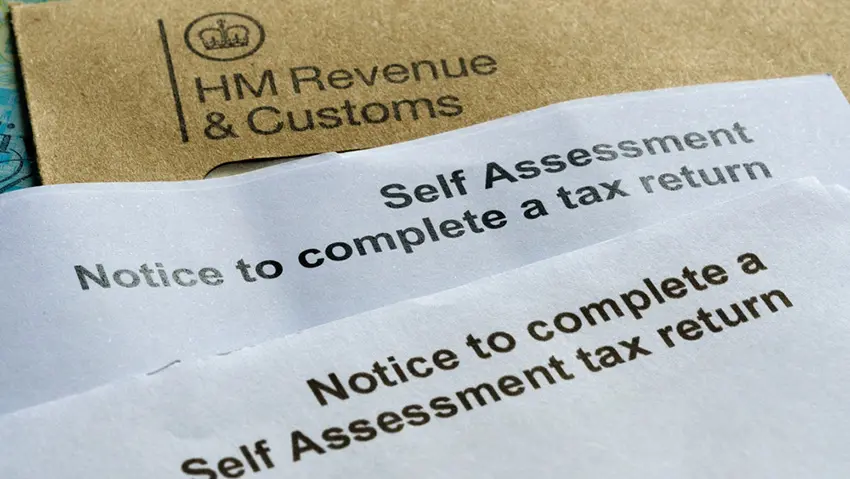
Almost one in five self-employed people in the UK expect to struggle to pay their Self Assessment tax bill this month, underlining the mounting financial pressure facing sole traders and freelancers at the start of 2026.
With the 31 January deadline fast approaching, new research suggests around 880,000 of the UK’s 4.4 million self-employed workers are worried about finding the cash to settle their tax bill, leaving many exposed to late-payment penalties and interest.
The findings point to a broader squeeze on the self-employed, for whom January has become an annual stress point rather than a fresh start. One third of respondents said maintaining healthy cash flow was their biggest concern, while the same proportion worried about whether they could afford to pay themselves at all amid rising living costs. A further 34 per cent cited escalating energy bills as an additional strain on already tight margins.
Tax policy is compounding those pressures. Almost two thirds of those surveyed said they are concerned about the ongoing freeze on income tax thresholds, which continues to pull more self-employed workers into higher effective tax bands despite stagnant real incomes.
Mike Parkes, technical director at GoSimpleTax, said the research reflected a familiar and recurring challenge for many people running businesses on their own.
“For a lot of self-employed workers, January is the most financially stressful month of the year,” he said. “Tax bills land on top of worries about cash flow, energy costs and everyday expenses. For some people, this pressure comes around every single year.”
He added that the scale of the issue was being made worse by delays in filing. More than 5.6 million people have still not submitted their Self Assessment return, meaning many may not yet know how much they owe or have had time to plan for it.
“Filing earlier gives people clarity,” Parkes said. “It allows them to understand what they owe, spread the cost where possible and avoid nasty surprises at the last minute.”
With weeks still to go before the deadline, GoSimpleTax is urging sole traders, freelancers and landlords who are worried about paying their bill to act now rather than wait until the final days of January.
Many self-employed workers deal with irregular income and unpredictable workloads, making it harder to set money aside consistently throughout the year. But Parkes stressed that help is available, from digital tools that simplify tax calculations to payment options that can reduce short-term strain.
“For those feeling the pressure, it’s important to remember you’re not alone,” he said. “There are tools and support available to help people get through January without it becoming a financial crisis.”