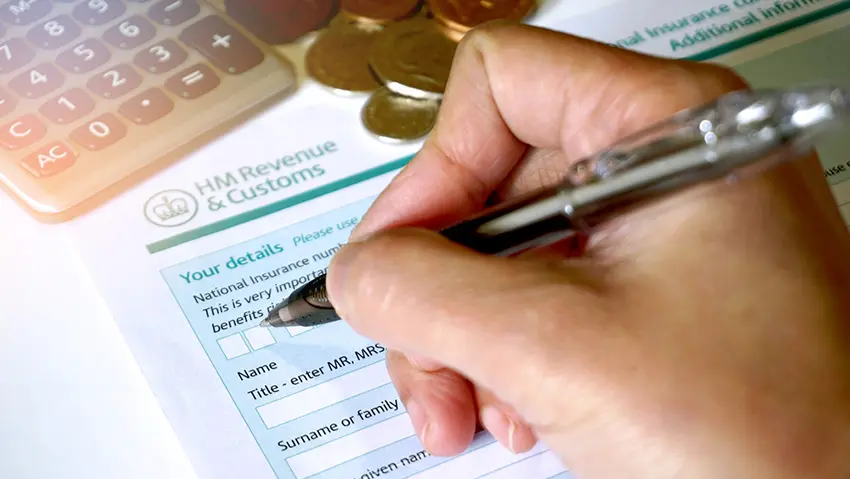
A third of Britain’s sole traders are still managing their finances with pen and paper, despite major changes to self-assessment rules coming into force this April, new research from Sage has revealed.
The study shows that many self-employed workers remain unprepared for Making Tax Digital for Income Tax — HMRC’s long-delayed overhaul of the self-assessment system that will require digital submission of tax returns for sole traders earning more than £50,000 a year.
Sage found that 66 per cent of sole traders still rely on outdated methods for financial admin, including spreadsheets (66 per cent), bank statements (56 per cent) and handwritten notes (33 per cent). Almost a quarter (23 per cent) spend more than six hours completing a single end-of-year return.
Alarmingly, 70 per cent remain unaware that they will be required to file returns digitally from April. Among those who do know about the change, almost four in ten (39 per cent) have taken no steps to prepare.
TV handyman Mark Millar, presenter of Channel 5’s Dream Kitchens and Bathrooms, said he recognised the pressures facing small business owners who try to juggle manual bookkeeping with their day-to-day work.
“Many sole traders I know are still using pencils and scraps of paper to keep tabs on their profit and loss,” he said. “That used to be me. I can remember the pressure I felt quoting, invoicing and managing clients, all while trying to stay on top of my tax returns. Making Tax Digital is an opportunity to make admin less time consuming and less stressful.”
Millar said switching to digital tools transformed the way he ran his construction company, offering clarity and reducing the risk of lost paperwork.
Research from Sage and the Association of Independent Professionals and the Self-Employed (IPSE) found that those already using digital accounting tools enjoy tangible improvements. More than half reported better organisation (54 per cent) and clearer financial visibility (53 per cent), while others said digital systems reduced stress and freed up time.
Neal Watkins, executive vice-president for small business at Sage, said the shift should ultimately make life easier for sole traders.
“As initiatives like Making Tax Digital continue to roll out, self-employed people have a real opportunity to turn compliance into an advantage — saving time, reducing admin and gaining a clearer view of their finances.”
The transition to digital tax filing marks one of the most significant administrative changes for self-employed workers in decades. While the government argues it will improve accuracy and reduce errors, the latest research suggests many sole traders are at risk of being caught off guard.
With millions of returns needing to move online over the coming years, accountants warn that those still relying on manual or paper-based systems could face unnecessary stress—and potential non-compliance—if they do not prepare soon.