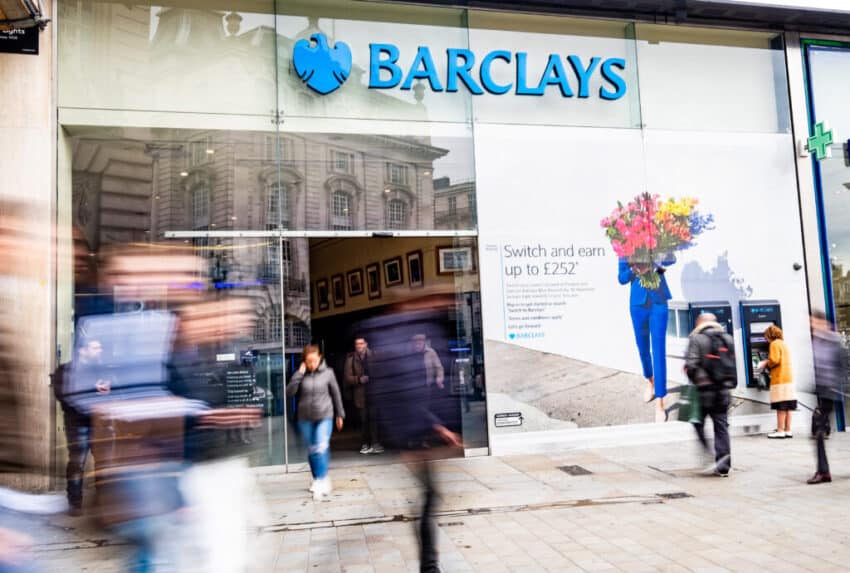
Barclays is returning to the high street. After shutting roughly four in five of its branches since 2019, the lender has confirmed it will open new sites, expand existing ones, and bring back a title that many small business owners will remember fondly: the bank manager.
The shift, outlined by Barclays UK chief executive Vim Maru in his first interview since taking the helm in 2024, represents a sharp break from the cost-cutting orthodoxy that has thinned Britain’s branch network for the best part of a decade. It also lands at a moment when app-based challengers, Revolut and Wise among them, are pushing harder into the current account market that has long been Barclays’ bread and butter.
Maru told The Times that pausing branch closures was one of his “early decisions” at the top, and confirmed the lender would grow beyond its current estate of 206 sites. He said he believes the future of banking lies in combining “great digital and great human touch” — a pitch squarely aimed at customers, particularly smaller firms, who tire of being routed through chatbots.
For Britain’s 5.5 million small businesses, the move could prove significant. Owner-managers have long complained that the retreat from physical branches left them without a familiar face to call on for cash handling, lending conversations, or the sort of judgement calls that algorithms struggle with. Maru acknowledged as much, saying innovative businesses in particular “love a bit of human touch”.
Barclays has gone further than any of its major rivals in culling branches, and Maru stopped short of conceding the bank moved too fast. But he said lenders should periodically reassess how they serve customers, and restoring recognisable job titles was part of that. Most customers, he suggested, still want to sit down with a bank manager from time to time.
The new branches will sit alongside the shared banking hubs run through the Post Office, where the big lenders pool services under one roof. Maru did not put a number on the planned openings.
Barclays UK, which employs roughly a third of the group’s 90,000 staff, covers personal accounts and small business banking, and now includes the Tesco credit card arm bought in 2024 and Kensington Mortgages, acquired in 2023 and since doubled in size. The division is central to chief executive CS Venkatakrishnan’s pledge to plough an extra £30 billion into the UK between 2024 and this year.
Maru played down speculation linking Barclays to bids for Santander UK, TSB or wealth manager Evelyn, insisting the focus is on organic growth. He pointed to record mortgage applications last year and faster processing, brokers can now submit an application in 15 minutes, down from 45.
Artificial intelligence is being folded into back-office processes to free up staff time for customer conversations. Asked whether jobs would go, Maru drew a parallel with the arrival of the ATM, which did not wipe out cashiers but instead saw staff redeployed into fraud prevention as scams proliferated.
On the economy, Maru said Barclays’ spending data showed “a bit more anxiety” since the start of the Iran conflict, but that households were largely carrying on. Fuel spending spiked in the first week of the war as drivers filled up ahead of feared price rises, before normalising. Hospitality spending, he added, has “held up”, a modest but welcome signal for small operators across the country.
For small firms weighing up where to bank, the message from Canary Wharf is that the branch is no longer a relic. Whether rivals follow, or leave Barclays to reclaim the high street on its own, will shape the shape of British business banking for years to come.